

News
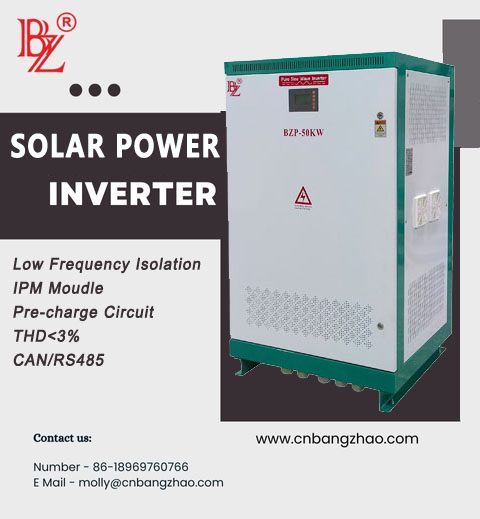
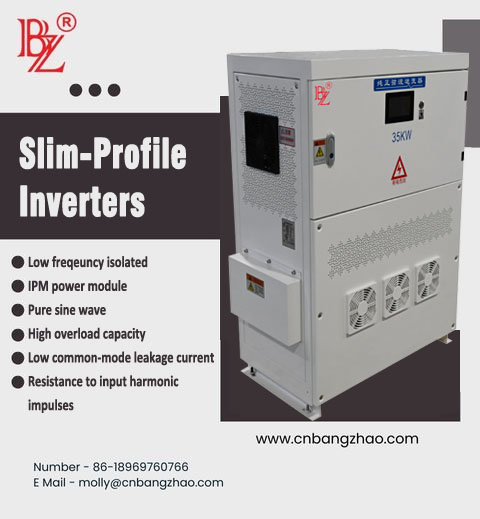
Self-generated and self-consumed off-grid solar power system inverter
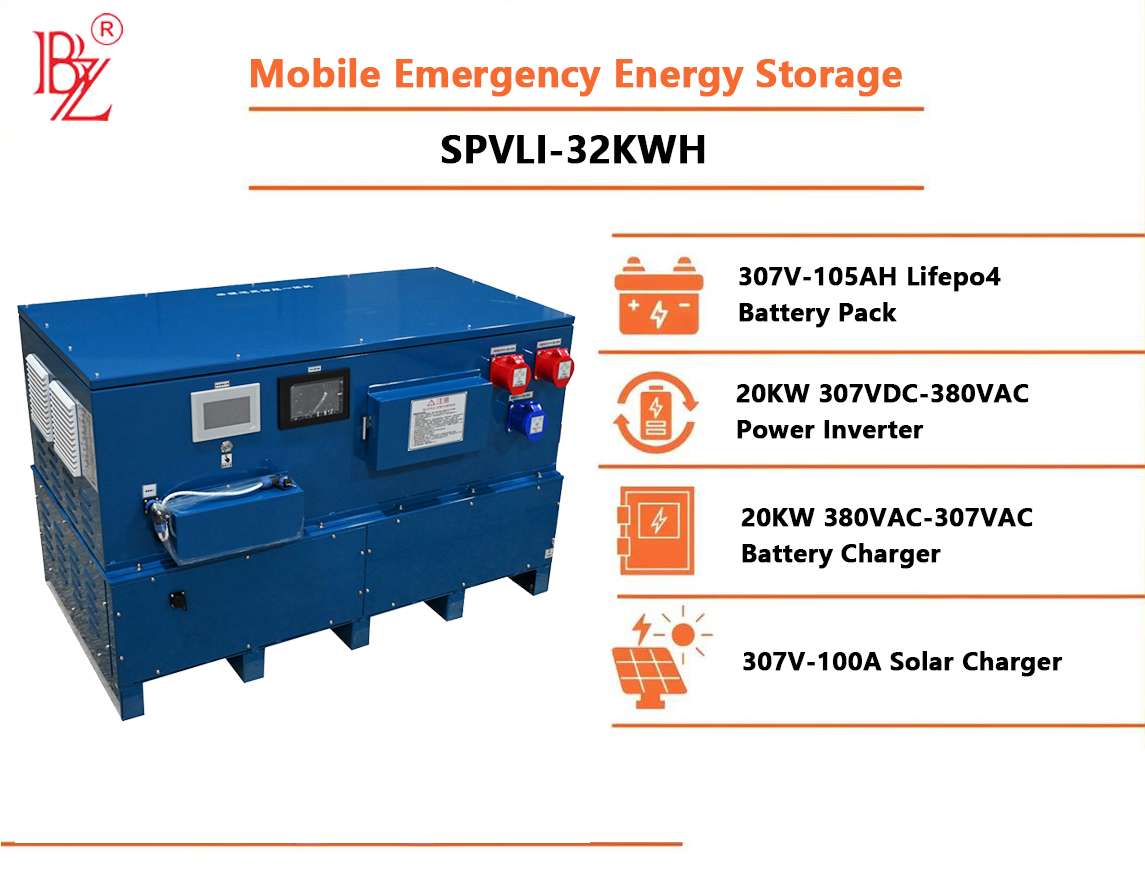
Batteries are an important component of off-grid photovoltaic power generation systems. Their primary function is to store the electrical energy generated by solar panels so that it can be used to power loads during nighttime or on cloudy days when there is no sunlight. However, the lifespan of batteries is limited, and their performance and service life are influenced by a variety of factors. Generally speaking, the cost of batteries may account for approximately 30% to 60% of the total cost of an off-grid system.
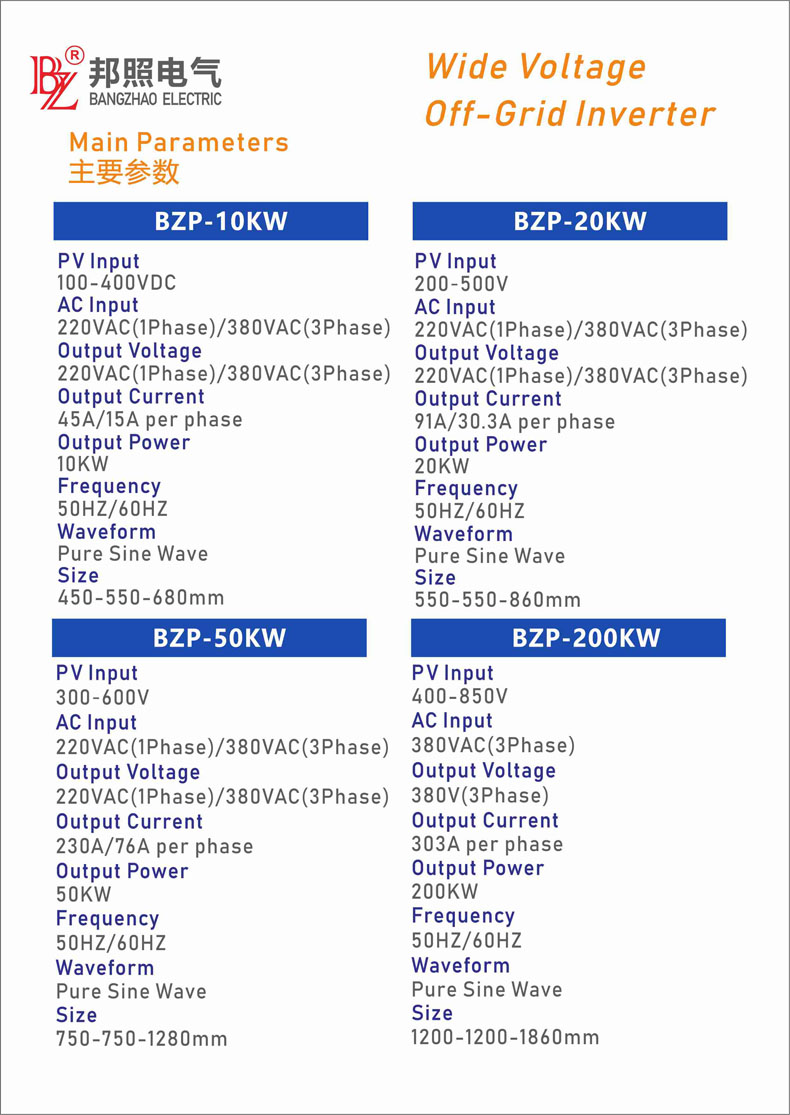
Some customers only use their loads during the day or utilise photovoltaic power generation to reduce electricity costs. Therefore, wide-voltage battery-free off-grid inverters have been developed. The main difference between these and traditional off-grid inverters is that they do not require energy storage batteries. This means that the system does not discharge from the battery at night or in the absence of sunlight, but instead directly supplies power to the load from the photovoltaic source, or completely stops operating in the absence of sunlight. For customers who only use loads during the day or wish to utilise photovoltaic power generation to reduce electricity costs, the wide-voltage, battery-less off-grid inverter is an ideal choice.
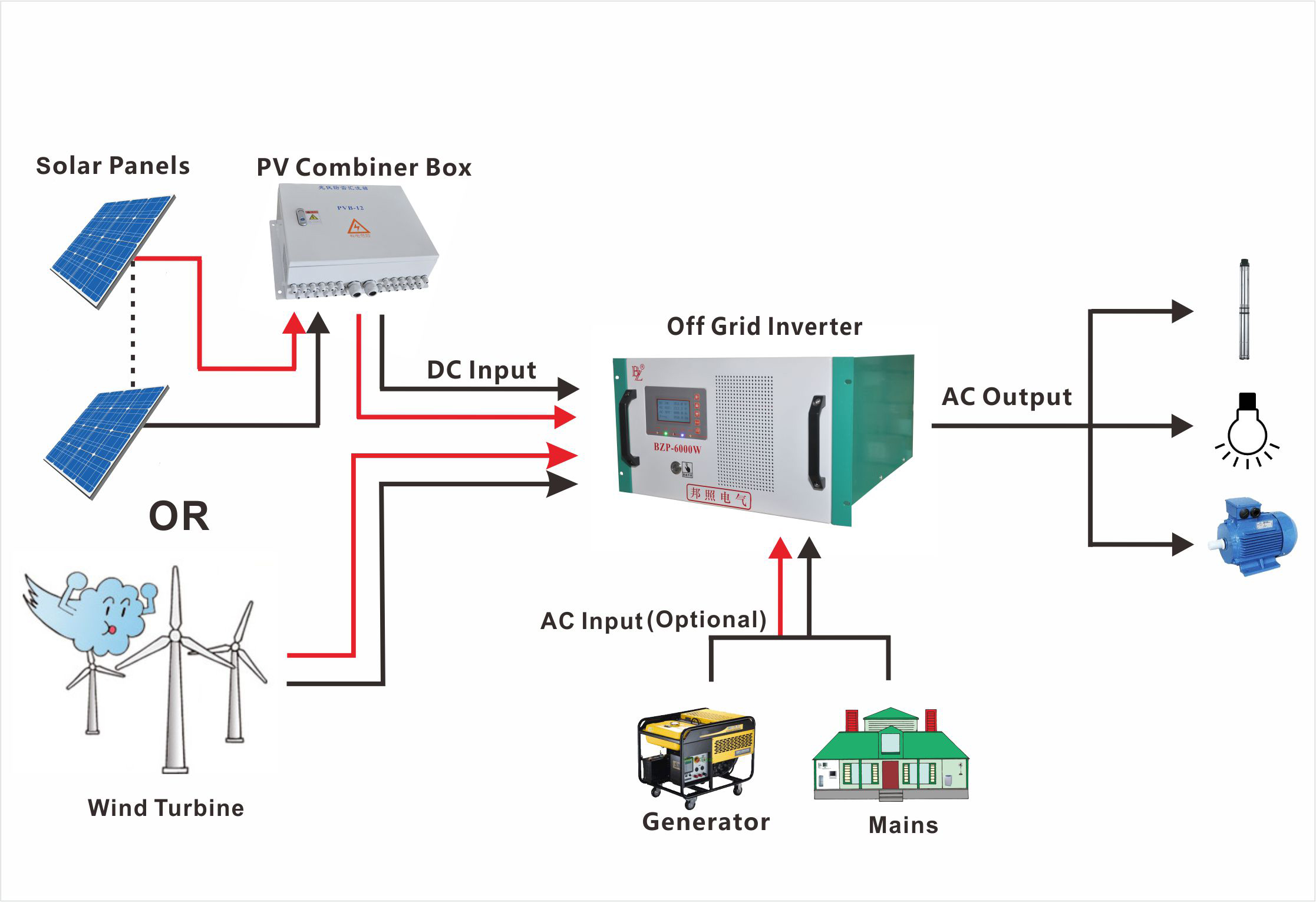
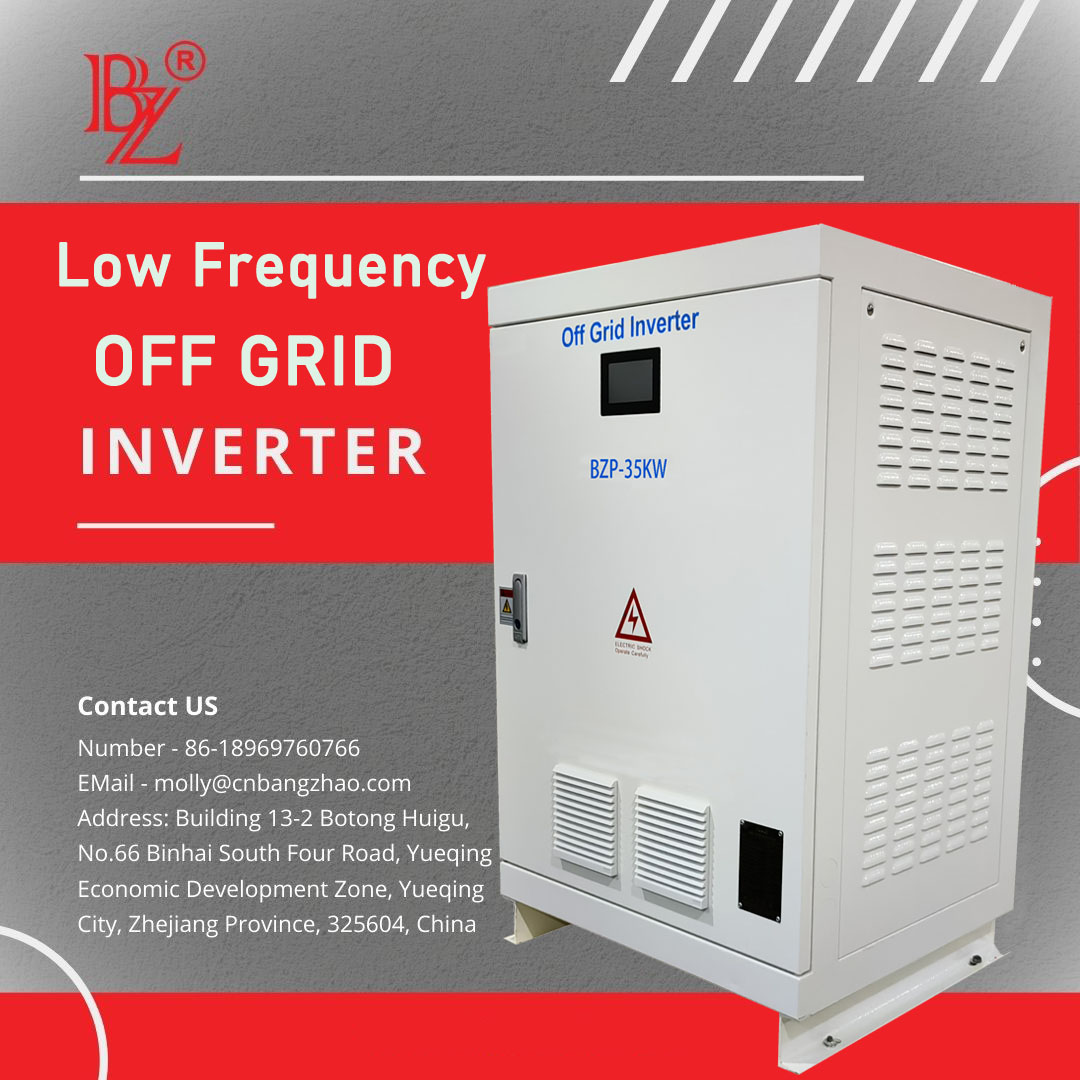
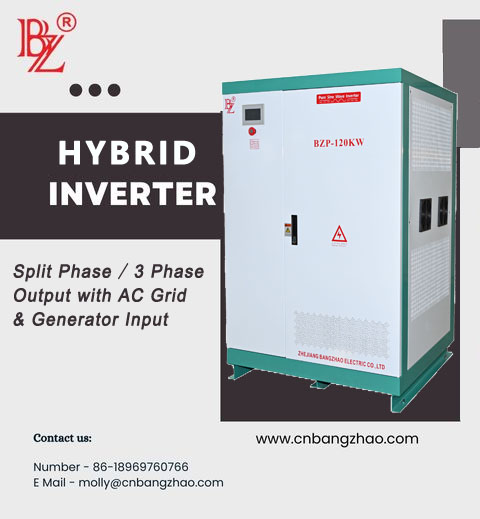
Off-grid inverters with energy storage can be used in combination with mains power or generators to provide seamless power supply and increase system stability. This combination is typically referred to as a ‘hybrid energy system’ or ‘microgrid.’
In this configuration, the off-grid inverter with energy storage is responsible for providing power during the day or under sufficient sunlight conditions, while the grid or generator serves as a backup power source to supplement power when there is no sunlight or when the power generated by the photovoltaic system is insufficient. Through an intelligent control system, seamless switching between photovoltaic power, the grid, and the generator can be achieved, ensuring that the load always has a stable power supply.
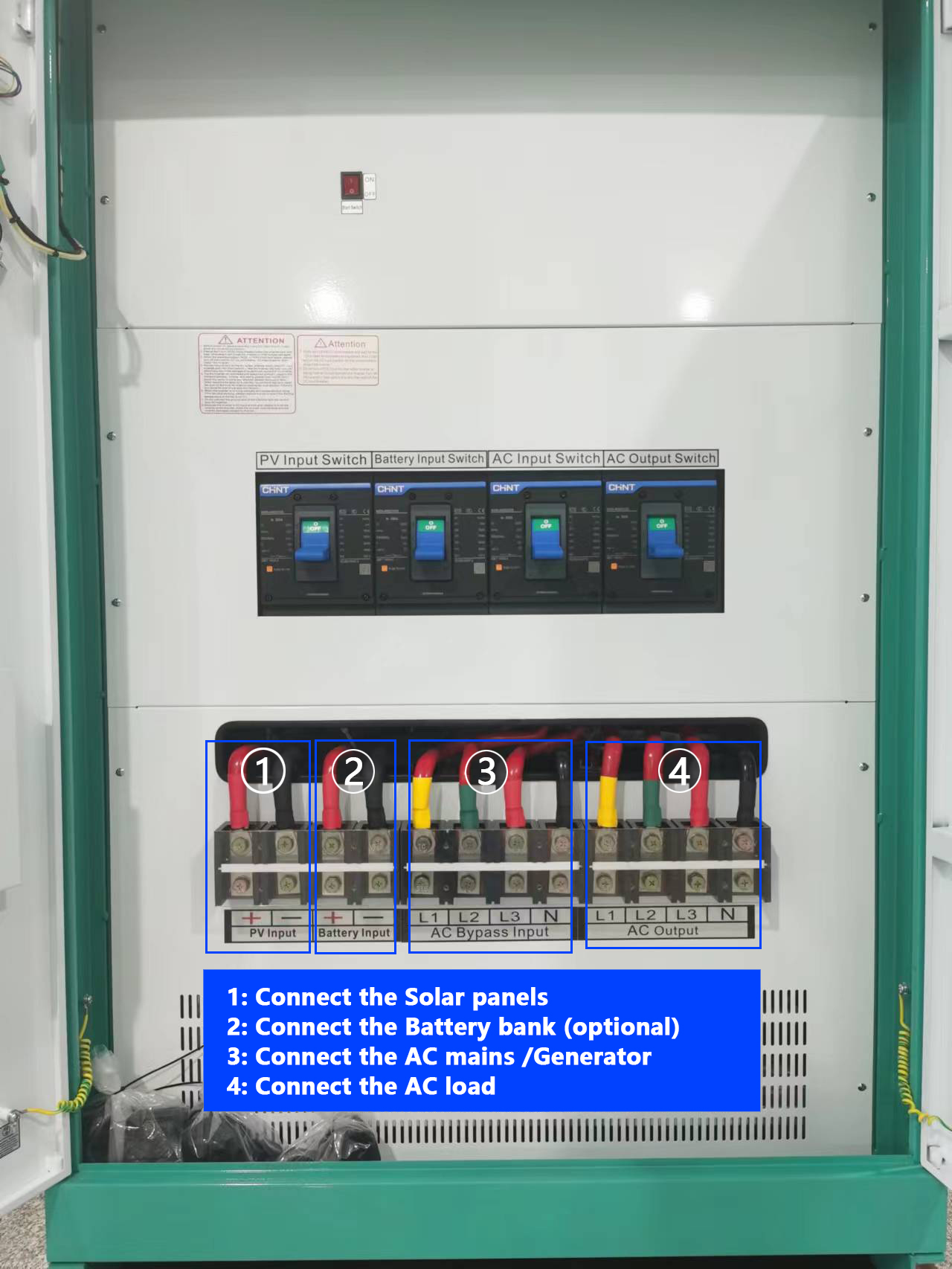
The advantages of this hybrid energy system include:
Seamless power supply: Even in the absence of sunlight or when the photovoltaic system generates insufficient power, the grid or generator can quickly take over to ensure uninterrupted power supply to the load.
Enhanced stability: By combining multiple power sources, the system's stability and reliability are improved. Even if one power source fails or requires maintenance, other power sources can continue to supply electricity.
Flexibility and scalability: The system can be flexibly configured and scaled as needed. For example, additional photovoltaic panels, energy storage batteries, or generators can be added to meet growing power demands.
Economic efficiency: By combining photovoltaic power with grid power or generators, the advantages of various power sources can be fully utilised to achieve economical energy use. For example, photovoltaic power can be used during daylight hours with ample sunlight, while grid power or generators can be used at night or on cloudy days.
It is important to note that the design, installation, and maintenance of hybrid energy systems require professional knowledge and skills. Additionally, various factors must be considered, such as power source switching logic, load prioritisation, and energy management strategies, to ensure the system's stable operation and efficient utilisation.